
Disaster Prevention

Disaster Preparedness for Pets & Families
Emergencies can occur without warning — including earthquakes, severe storms, floods, power outages, or other unexpected events. Proper preparation helps reduce risk, stress, and confusion during these situations.
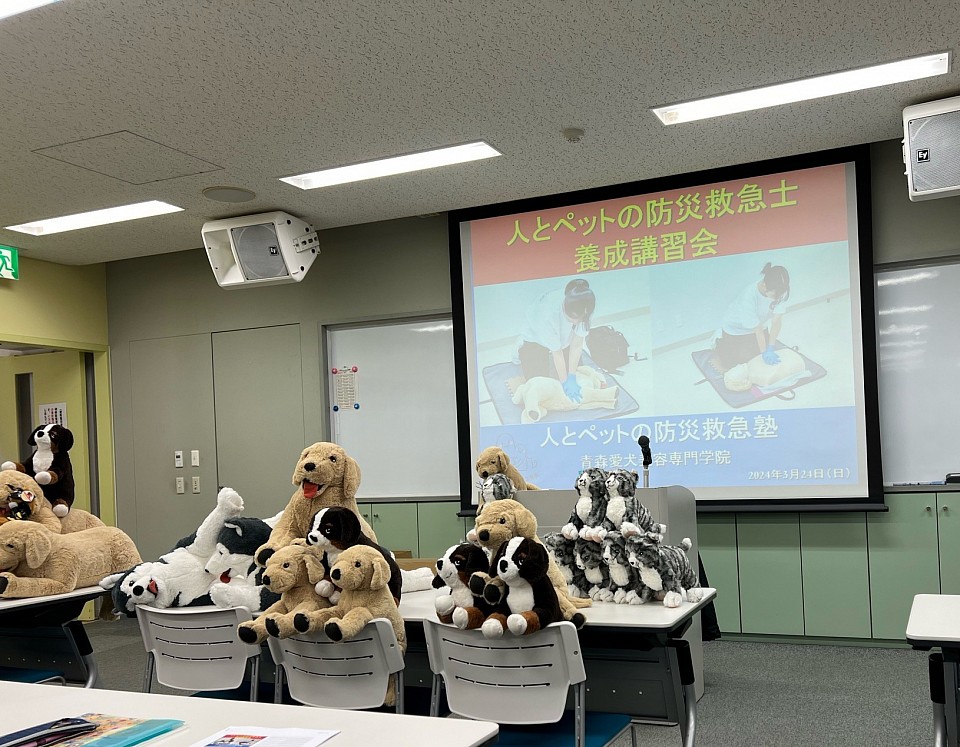
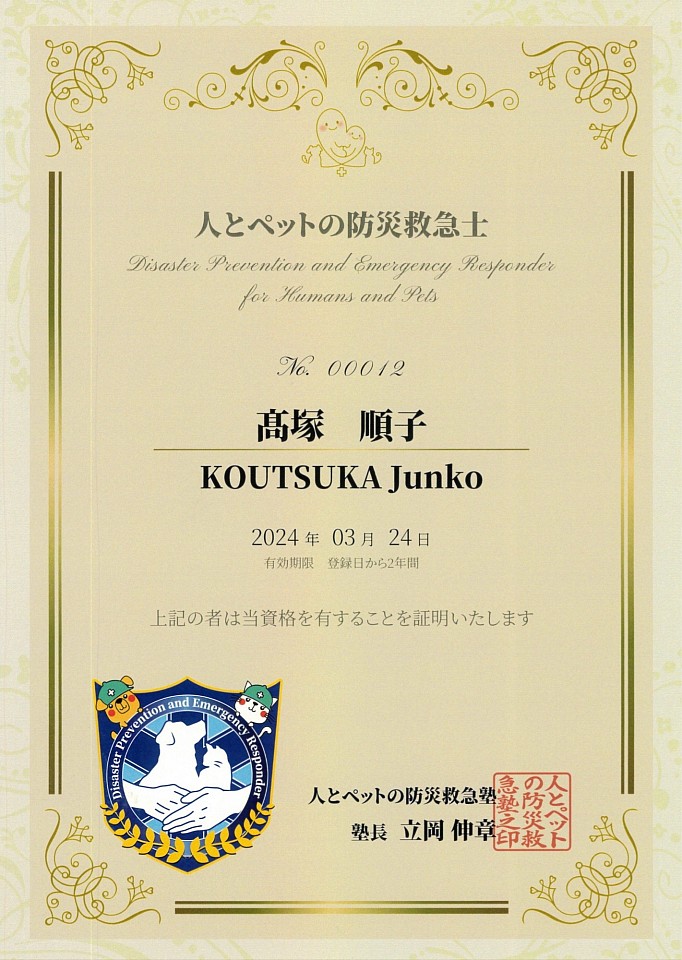
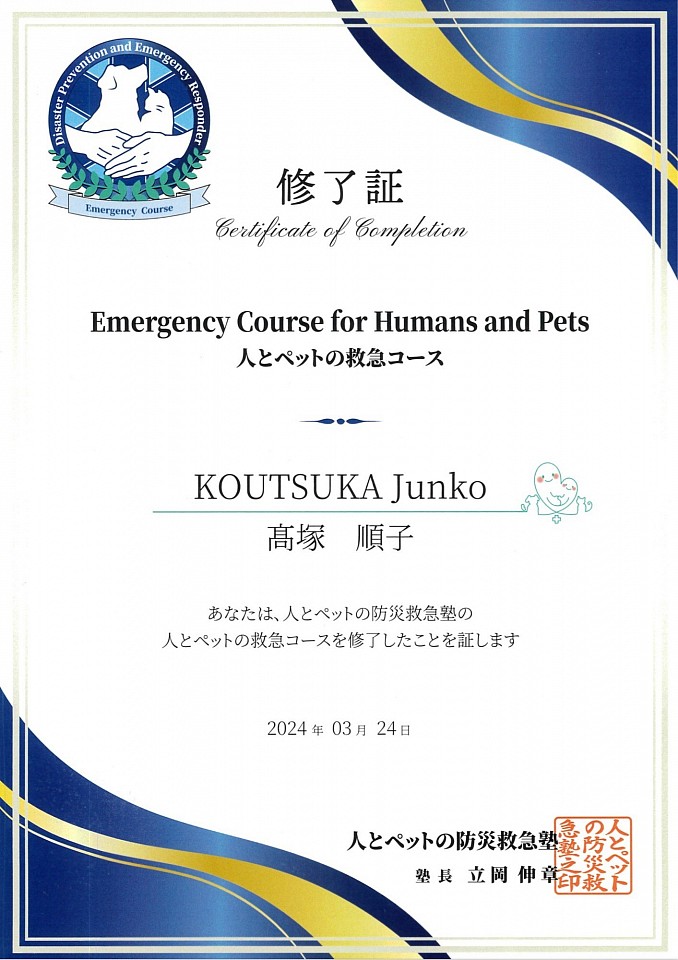
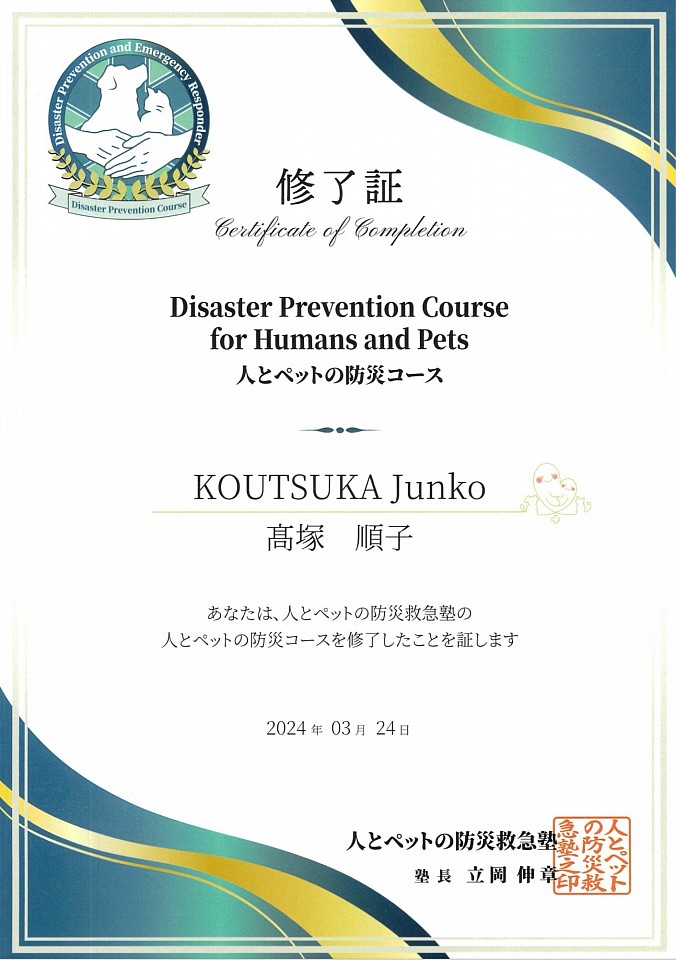
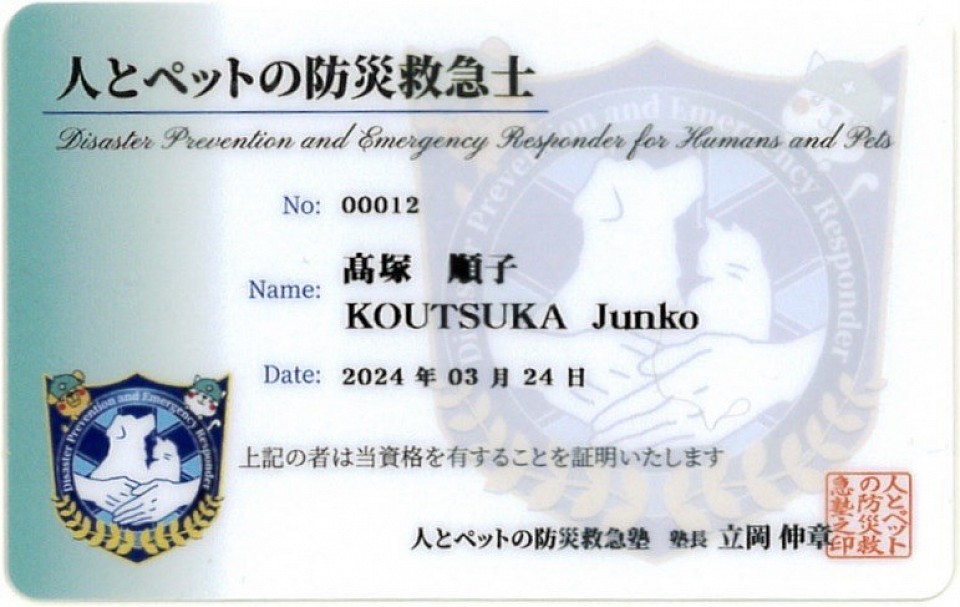
As a Certified Disaster Prevention Specialist and Certified Human & Pet Disaster Emergency Responder, PAWer’s Wish is committed to promoting safe and practical preparedness for both people and pets.
Preparedness is not about fear — it is about readiness, responsibility, and protection.
Because emergencies affect everyone — people and pets alike — being prepared matters.
Why Disaster Preparation Matters for Pets
During emergencies, pets may:
• Experience extreme stress or panic
• Become disoriented or attempt to escape
• Lose access to food, water, or medication
• Be separated from their families
Advance preparation significantly improves safety and reduces unnecessary risk.
Planning ahead ensures that both humans and animals can remain as safe and stable as possible during disruptive events.
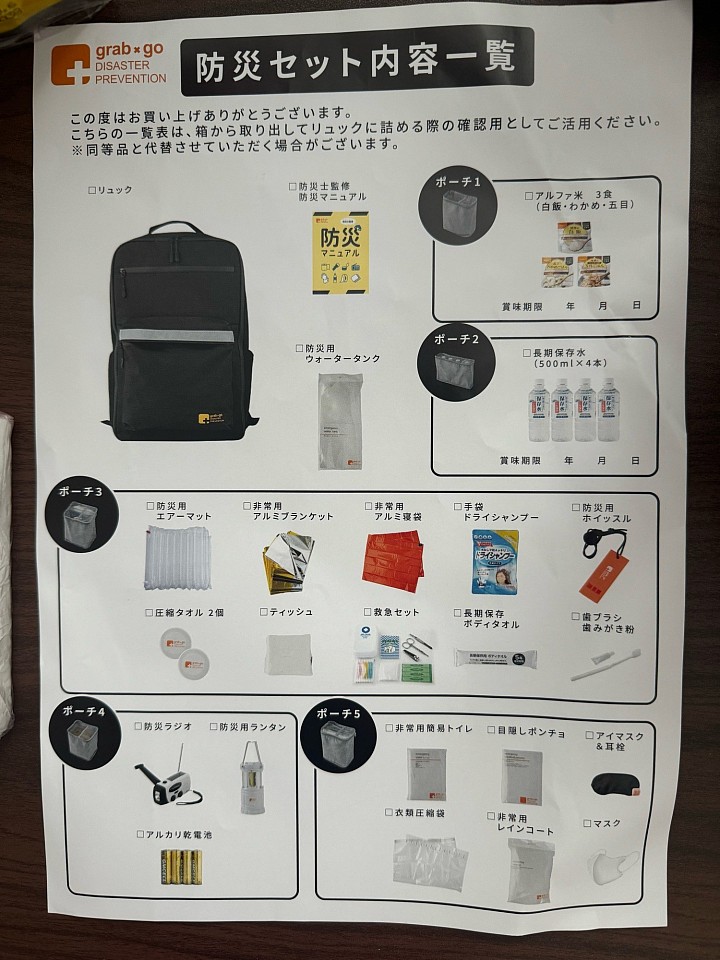
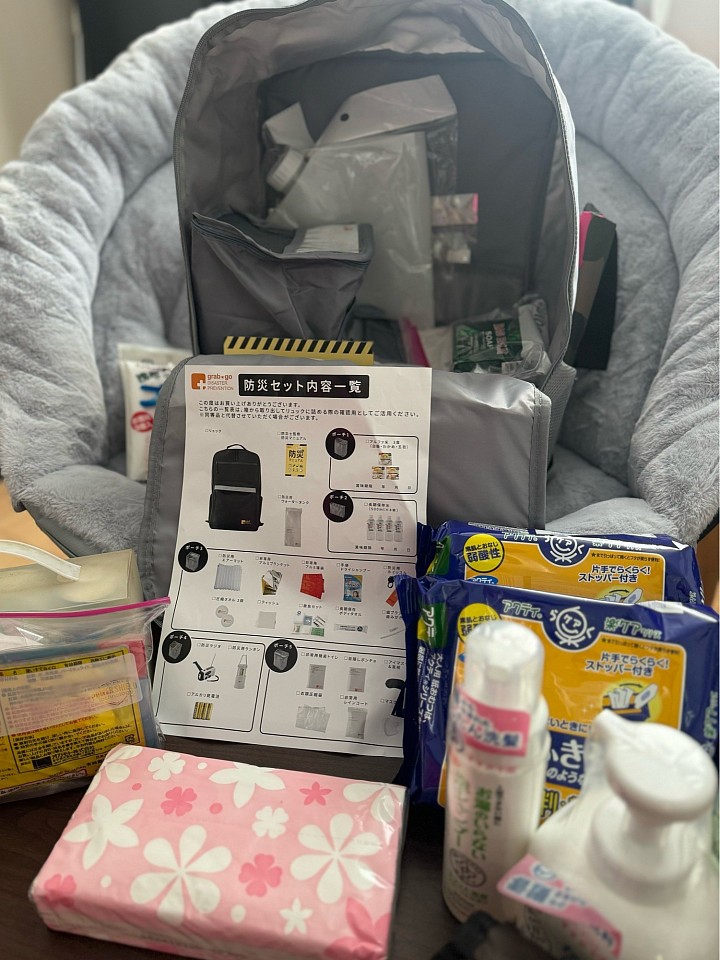
Recommended Emergency Kit (Minimum 2 Weeks)
It is recommended to prepare supplies sufficient for at least 14 days.
For Pets:
- Dry and/or canned food (minimum 2-week supply)
- Clean drinking water (at least 1 liter per pet per day)
- Food and water bowls
- Leash, harness, and secure carrier
- Bedding or familiar comfort items
- Medications and copies of veterinary records
- Waste bags, litter, or sanitation supplies
- Towel or blanket
- Recent photograph of your pet
For People:
- Drinking water (minimum 3 liters per person per day)
- Non-perishable food
- Flashlight and extra batteries
- Mobile phone charger or backup power bank
- First aid kit
- Important documents (copies recommended)
- Emergency contact list
- Cash (small bills)
Shelter & Evacuation Planning
Identify pet-friendly evacuation locations in advance.
- Confirm transportation options before an emergency occurs.
- Keep carriers accessible and clearly labeled.
- Microchip pets and ensure ID tags are up to date.
Never leave pets behind during evacuation.
During an Emergency
- Remain calm — animals respond to your emotional state.
- Safety always comes first — for both humans and animals.
- Keep pets secured on leash or in carriers.
- Monitor for signs of stress, dehydration, or injury.
Avoid unfamiliar debris, floodwater, or unstable surfaces.
Our Commitment
PAWer’s Wish integrates disaster preparedness principles into daily operations, including:
- Secure transport planning
- Emergency response readiness
- Safe containment procedures
- Continuous professional training
Preparedness is part of responsible animal care.
Because protecting pets also means protecting families.
Hazard Maps
A hazard map shows areas at risk for specific disasters (earthquakes, tsunamis, floods, landslides, etc.). They are critical tools to help prevent injury and loss.
Here are links to Misawa’s Hazard Maps (Japanese):

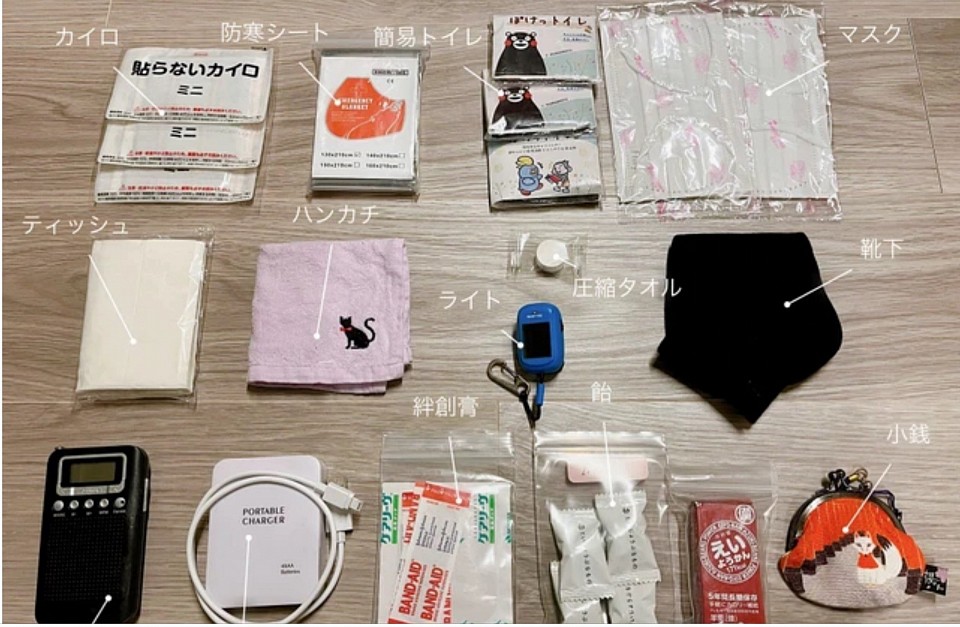
Emergency Kit – For Your Vehicle
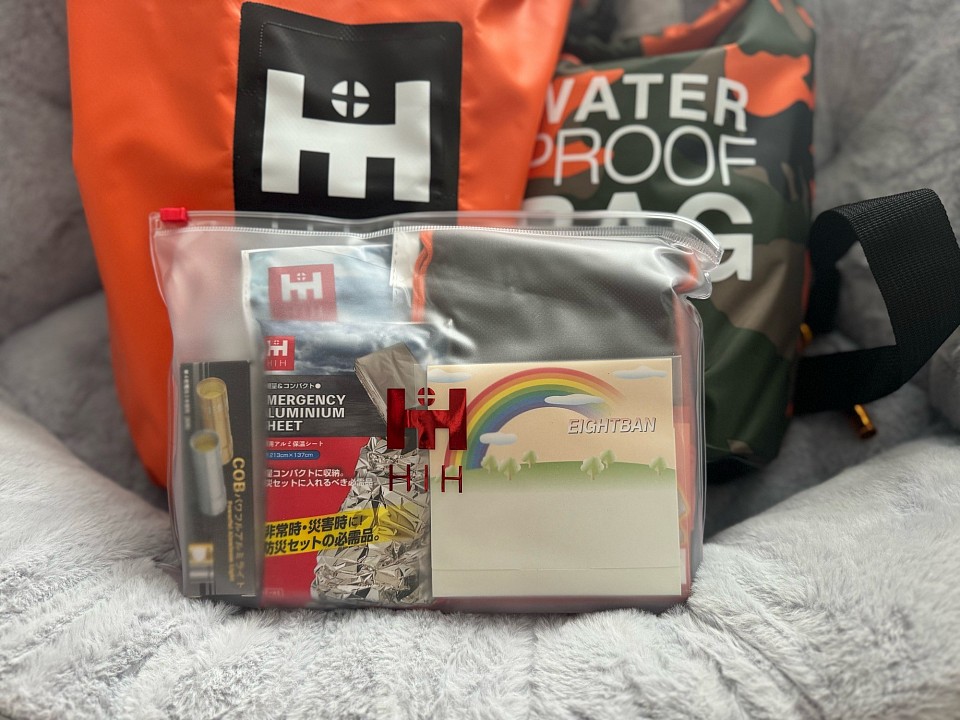
This is like a mini version of your home kit. Think ahead for situations like:
- Being stuck in traffic
- Unexpected road closures or accidents
- Getting lost
Key questions:
- How long might you be stuck?
- Can you stay in the car, or will you need to leave it?
- What’s the minimum you can grab and go with?




Take Action & Take Responsibility
I’m constantly learning, training, and updating my knowledge as a Disaster Prevention Specialist. Though I hope I’ll never need to use these skills, I want to be ready to protect my community and the pets I love.
Here’s what I review regularly:
Know Your Risks
- What hazards exist where you live or work?
- Does your community have a disaster plan?
- Are you ready for the unexpected?
Create a Family Disaster Plan
- Where to meet if you must evacuate
- Out-of-state contacts
- How to access emergency information
- How to care for pets
- Have you discussed the plan with your family?
- Practice it regularly
Build Emergency Kits
- One each for your home, car, and pets
- You may need to survive without outside help for days
Prepare Children
- Teach them what could happen and what your family will do
Think About Special Needs
- Infants, seniors, and people with disabilities must not be overlooked
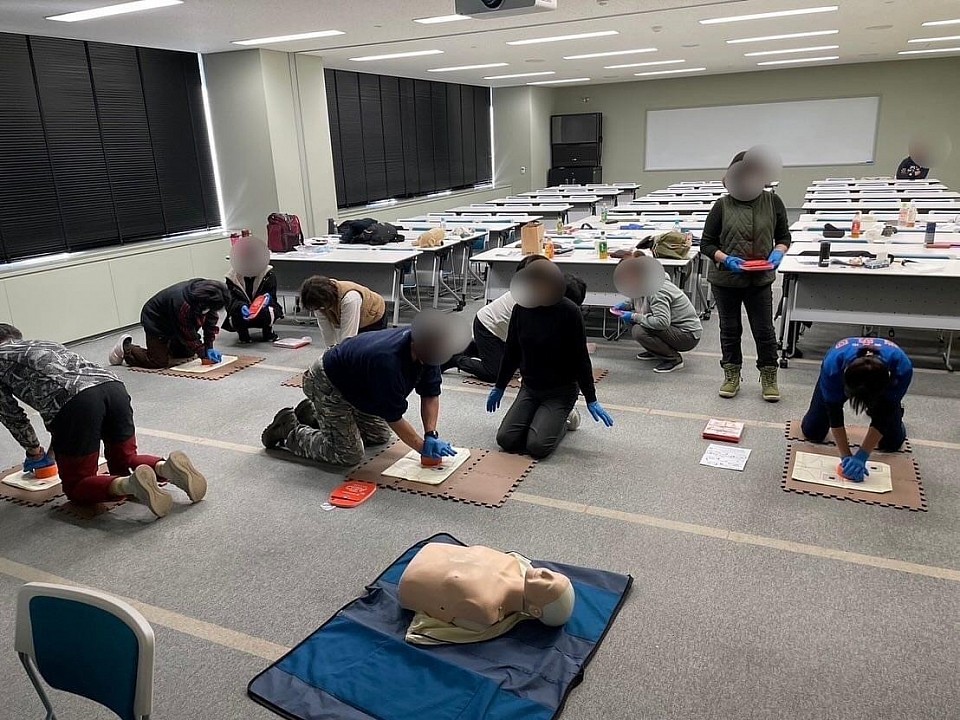
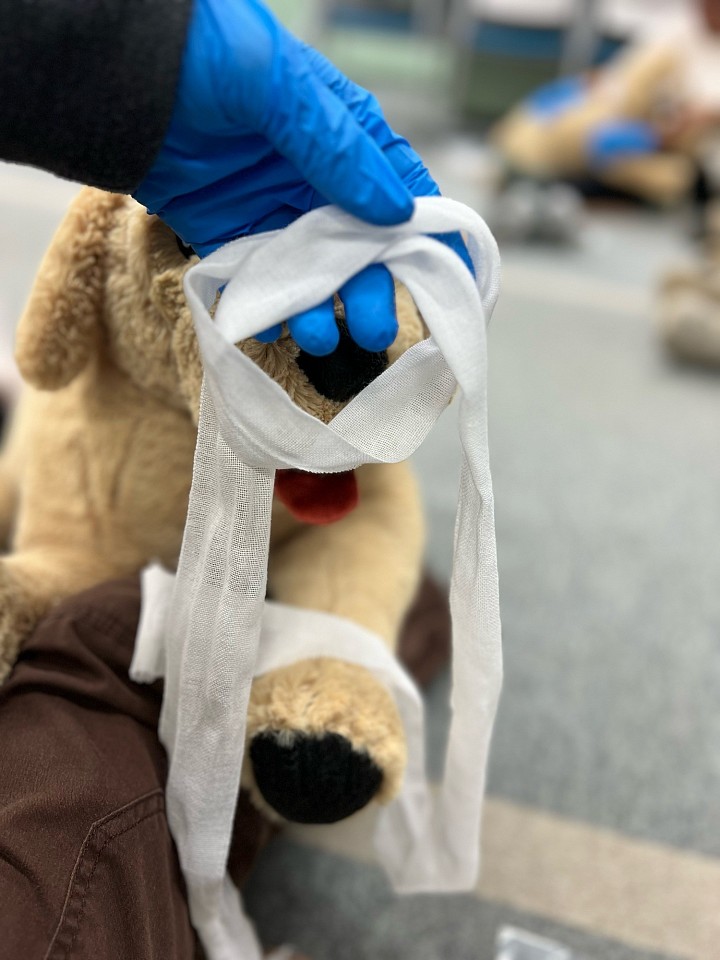
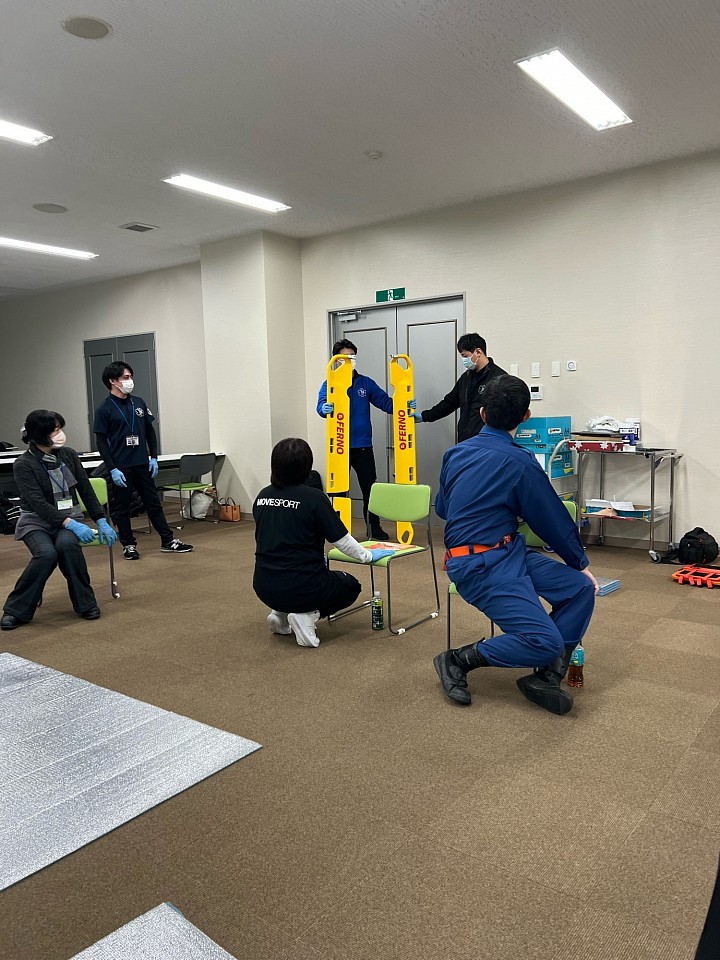
Learn CPR & First Aid
- Your training might save the life of a loved one or neighbor
Secure Your Environment
- Minimize hazards in your home and workplace before disaster strikes
